
The honest take
Circuit vs ABC, without the marketing
Both treks begin in the Annapurna Conservation Area. Both use teahouses, share permits, and are run out of Pokhara. From a distance they look like cousins. In practice they are entirely different experiences that appeal to different kinds of trekkers, and confusing them costs people time, money, and sometimes an unfinished trek.
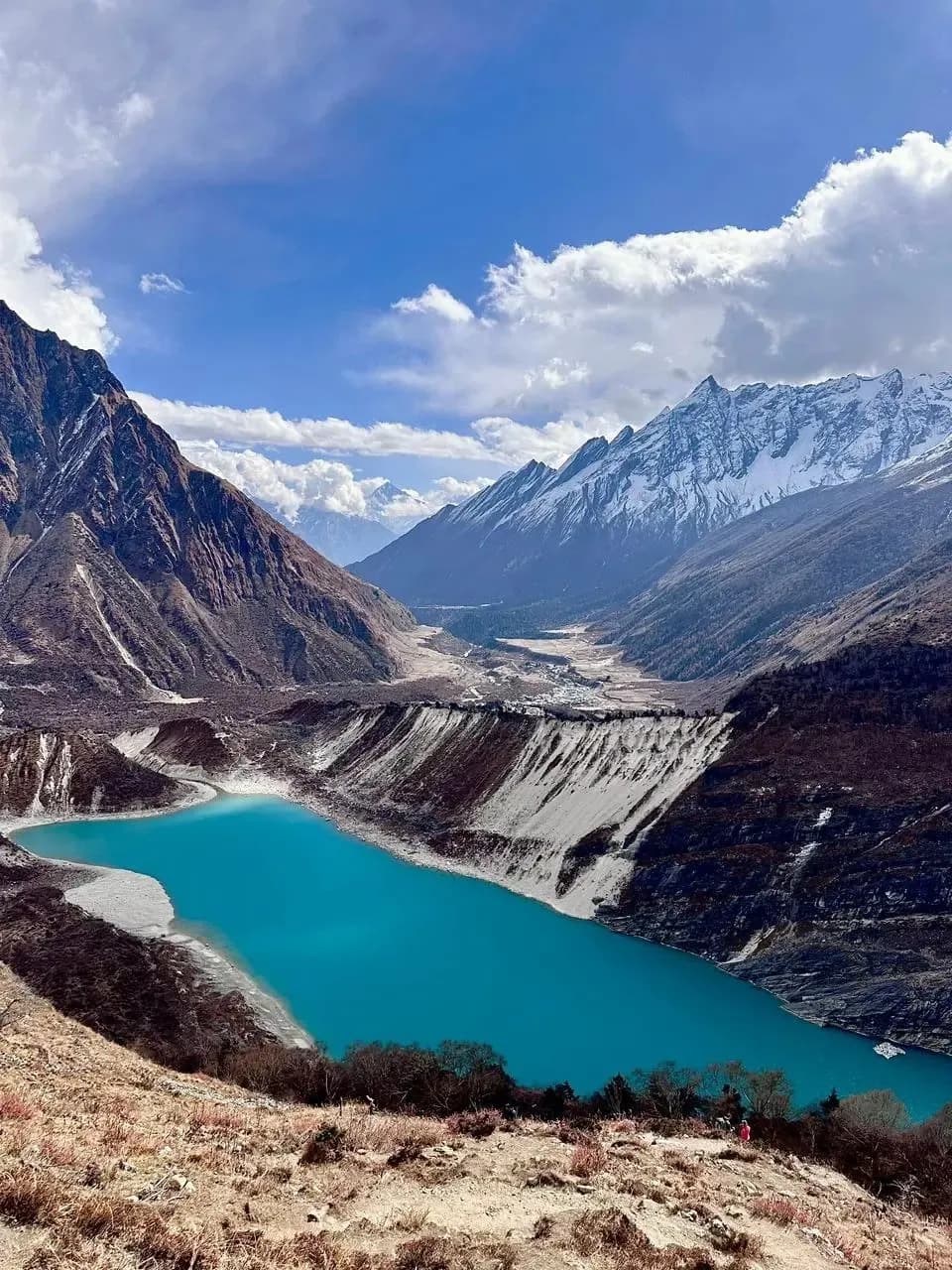
The Annapurna Circuit was the trek that put Nepal on the adventure-travel map in the 1970s. It is a 12–14 day counterclockwise loop that takes you from the subtropical Marsyangdi valley, up through Gurung and Thakali villages dotted with apple orchards, into the trans-Himalayan desert of Manang, across the Thorong La pass at 5,416 m, and down into the arid Kali Gandaki gorge. An optional 2-day side trip to Tilicho Lake (4,919 m, one of the highest lakes in the world) is increasingly popular among fit trekkers. You pass through five distinct climate zones in a single trip, and by the time you finish you've essentially walked from India to Tibet and back.
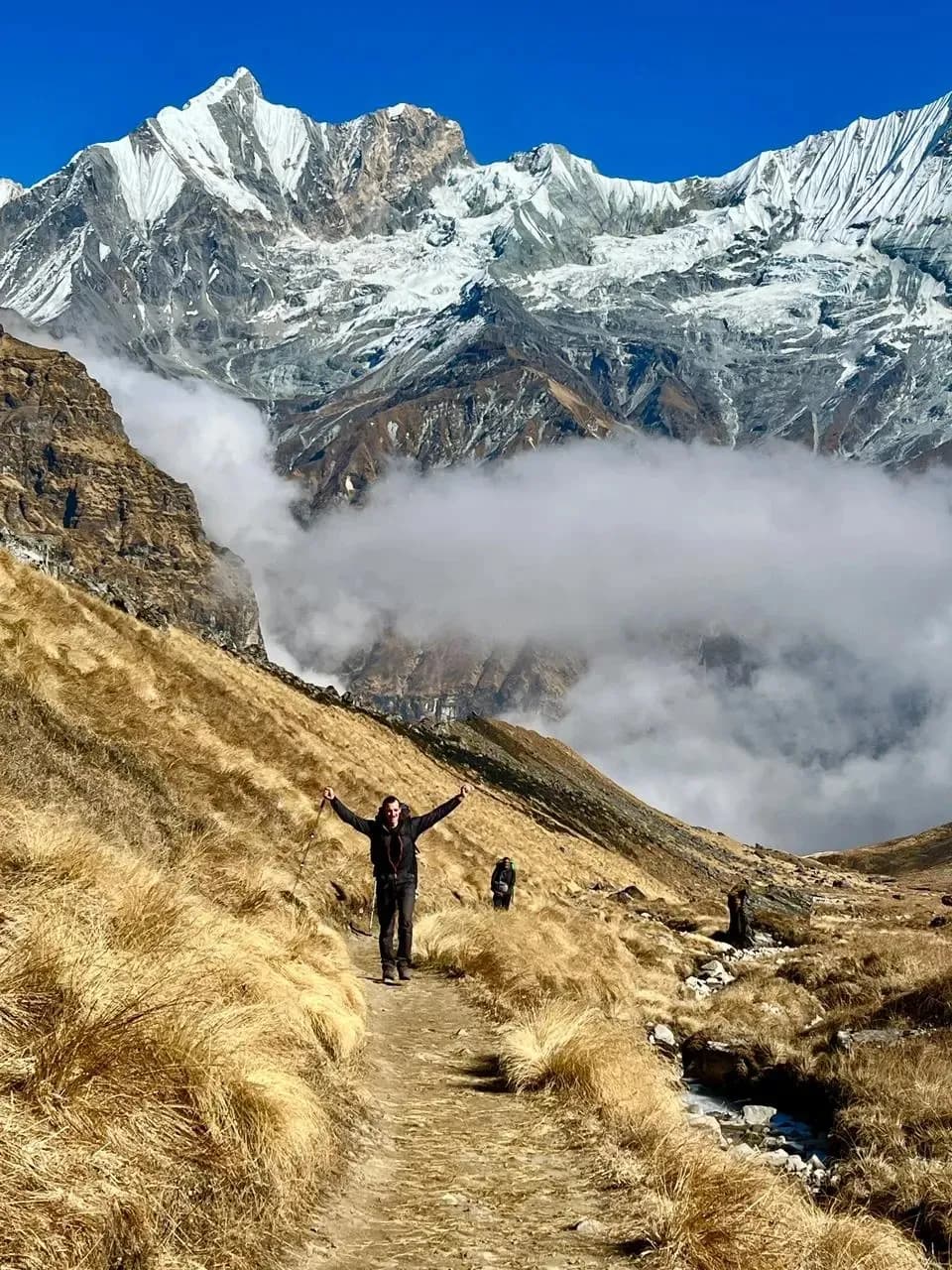
Annapurna Base Camp is a different promise. It is shorter (8–10 days), lower (peaks at 4,130 m), and delivers a single hero moment: dawn inside the Annapurna Sanctuary, a natural amphitheatre encircled by seven peaks above 7,000 m. The trek itself winds through Gurung villages and rhododendron forest, with a final two days of steady climbing into the high bowl. There is no pass to cross, no snow walking, no altitude-sickness alarm bell, just a steady, scenic climb to a moment most trekkers remember for the rest of their lives.
The practical difference is stark. The Circuit demands 13 days minimum, peak-season weather windows for the pass, and prior multi-day hiking experience. ABC can be a first trek for a reasonably fit person with no prior altitude exposure. Both are magnificent. The question is whether you want a high-stakes landscape epic or a focused, achievable sanctuary climb.
