
Mundhum Trek
The Mundhum Trek is a culturally rich and scenic trekking route in eastern Nepal, offering panoramic Himalayan views, sacred landscapes, and an immersive experience of Kirat culture and traditions.
About the Trek
Mundhum Trek Overview
The Mundhum Trek is a unique cultural and scenic trekking route in eastern Nepal that follows the ancient trail described in the sacred Mundhum scriptures of the Kirat people. This trek is not only a journey through breathtaking Himalayan landscapes but also a deep exploration of indigenous culture, spirituality, and traditional lifestyles. Unlike popular trekking routes in Nepal, the Mundhum Trek remains largely untouched by mass tourism, making it an ideal choice for trekkers seeking authenticity, solitude, and cultural depth.
Journey Begins: Gateway to Mundhum Trek
The trek begins with a drive or short flight from Kathmandu to eastern Nepal, commonly to Tumlingtar or Bhadrapur, followed by a scenic drive toward the trekking trailhead such as Basantapur, Num, or Chichila, depending on the itinerary. The journey passes through rolling hills, cardamom plantations, terraced fields, and traditional villages, offering a gradual transition from urban life to remote mountain landscapes.
From the starting point, the trail follows ancient footpaths used for generations by local communities. These paths were traditionally used for trade, seasonal migration, and spiritual journeys, giving the trek historical and cultural significance.
Trail Experience and Trek Highlights
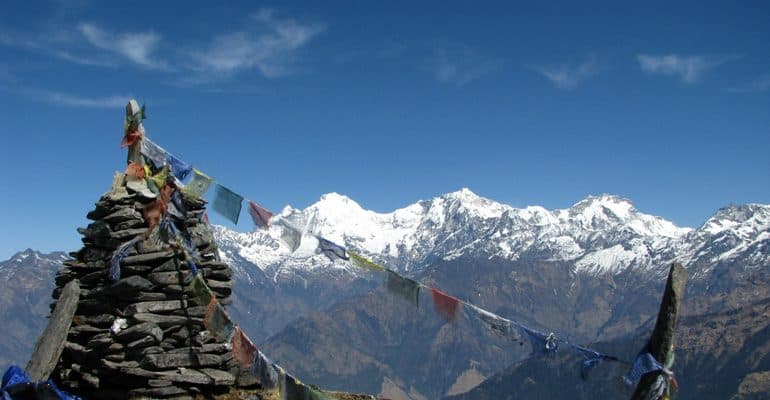
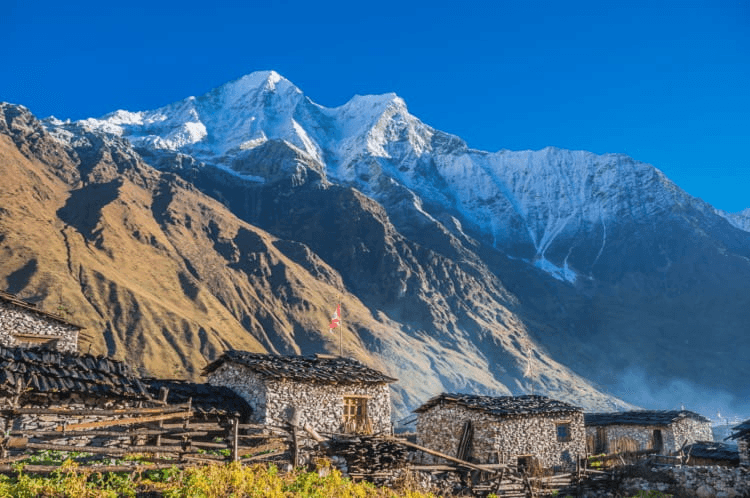
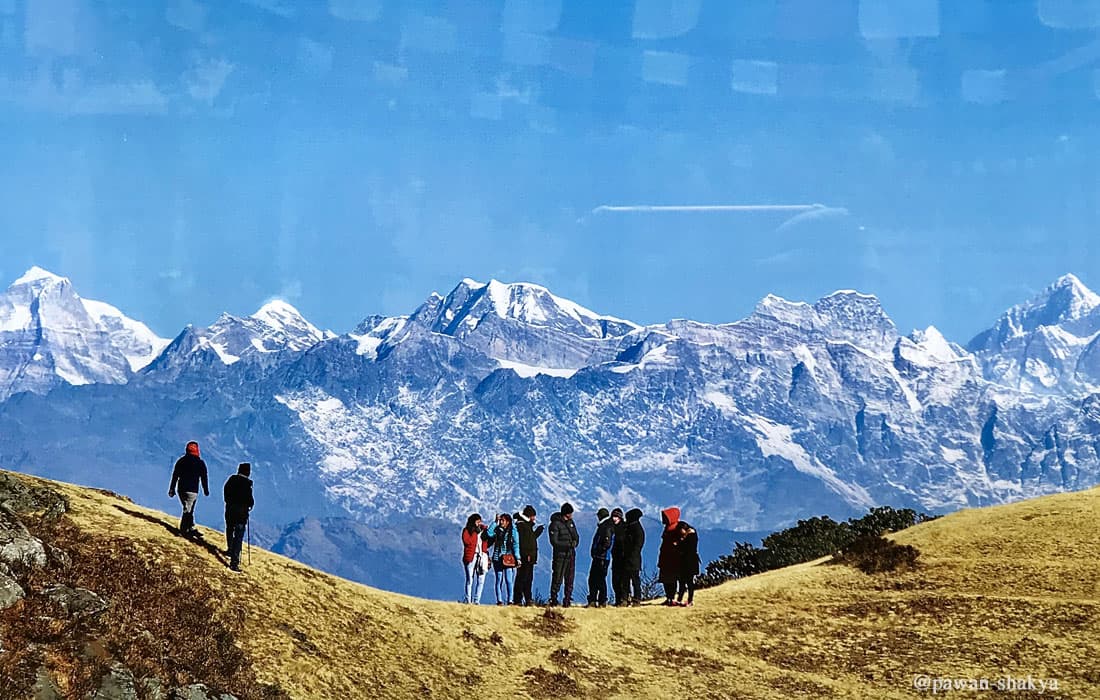
The Mundhum Trek passes through lush forests, alpine meadows, ridgelines, and high pastures while offering uninterrupted views of eastern Himalayan giants such as Makalu, Kanchenjunga, Everest, Lhotse, and Chamlang on clear days. The trail traverses remote villages inhabited by Rai, Limbu, Sherpa, and other ethnic communities, allowing trekkers to witness traditional farming practices, architecture, and rituals.
As the trek progresses, the landscape changes dramatically from subtropical forests to high alpine terrain. Sacred sites such as Silichung Peak, Panch Pokhari, and Jaljale Himal are important spiritual landmarks along the route. These areas are deeply connected to Kirat mythology and are often used for rituals and seasonal ceremonies.
One of the most rewarding aspects of the trek is walking along long, open ridgelines that provide continuous mountain views, especially during sunrise and sunset. The peaceful environment and lack of crowds enhance the spiritual and meditative nature of the journey.
Food on the Mundhum Trek
Food on the Mundhum Trek is simple and largely dependent on local availability. In lower regions and villages, trekkers can enjoy traditional Nepali meals such as Dal Bhat, seasonal vegetables, rice, lentils, and locally grown grains. Simple breakfasts like chapati, eggs, porridge, and tea are commonly available.
In higher and more remote sections of the trek, food options become limited and are mostly vegetarian. Meals are prepared using locally sourced ingredients, and Dal Bhat remains the most reliable and nutritious option. Trekkers are strongly advised to carry snacks such as energy bars, dry fruits, chocolates, and electrolytes, as shops are scarce in remote areas.
Alcohol and smoking are not prohibited but are discouraged due to altitude, dehydration risks, and cultural sensitivity in sacred areas.
Accommodation on the Mundhum Trek
Accommodation on the Mundhum Trek is primarily in basic teahouses, community lodges, and homestays. In some remote sections, simple shelters or camping may be required depending on the chosen route and season.
Lower villages offer basic yet comfortable lodges with shared rooms and toilets. As the trek ascends into higher regions, facilities become more limited, with simple sleeping arrangements and shared dining spaces. While amenities are minimal, the hospitality of local families and the opportunity to experience traditional village life make the stay rewarding.
Camping is optional but sometimes necessary in higher alpine areas where permanent lodges are unavailable. Camping also allows trekkers to access more remote and sacred sections of the Mundhum route.
Trek Duration and Distance
The duration of the Mundhum Trek varies depending on the route, starting point, and side explorations. A standard Mundhum Trek typically takes 12 to 16 days, while extended itineraries that include additional sacred sites or longer ridge walks may take 18 to 20 days.
The total trekking distance ranges from approximately 150 to 180 kilometers, depending on the chosen itinerary and variations along the trail.
Highest Altitude on the Mundhum Trek
The highest point of the Mundhum Trek is usually Silichung Peak, which stands at an altitude of approximately 4,153 meters above sea level. While this altitude is lower than high Himalayan passes, the remote nature of the trek and continuous ascents and descents require good physical conditioning and proper acclimatization.
Best Season to Visit Mundhum Trek
The best time to undertake the Mundhum Trek is during spring (March to May) and autumn (September to November). Spring offers blooming forests, mild temperatures, and clear views, while autumn provides stable weather and excellent visibility of the Himalayan ranges.
Winter trekking is possible but can be challenging due to cold temperatures and snowfall in higher regions. The monsoon season is generally not recommended because of slippery trails, leeches, and limited mountain views.
How Challenging Is the Mundhum Trek?
The Mundhum Trek is considered moderate to challenging. Daily walking hours typically range from six to seven hours, with frequent ascents and descents along ridgelines and forest trails. Although the altitude is not extreme, the long duration, remote terrain, and limited facilities add to the overall difficulty.
This trek is suitable for trekkers with prior trekking experience or good physical fitness. Beginners can complete the trek with proper preparation, pacing, and support, but it is not recommended for those seeking a luxury or easy trekking experience.
Average Cost of the Mundhum Trek
The average cost of the Mundhum Trek ranges from approximately 900 to 1,300 USD per person for a standard guided trek. Costs may increase for camping-based itineraries, additional porters, or extended routes.
These costs generally include domestic transportation, accommodation during the trek, meals, guide and porter services, permits, and local support. International flights, travel insurance, and personal expenses are not included.
Final Thoughts on the Mundhum Trek
The Mundhum Trek is a journey through culture, spirituality, and untouched Himalayan landscapes. It offers a rare opportunity to walk ancient sacred trails while experiencing the traditions of eastern Nepal’s indigenous communities. For trekkers seeking meaning, solitude, and authenticity beyond popular trekking routes, the Mundhum Trek is a truly rewarding adventure.