
Tsum Valley Trek
The Tsum Valley Trek is a culturally rich Himalayan journey into a sacred hidden valley, known for ancient monasteries, Tibetan heritage, and stunning mountain scenery.
About the Trek
Tsum Valley Trek Overview
The Tsum Valley Trek takes trekkers into one of Nepal’s most culturally preserved and spiritually significant regions, located in the northern part of the Manaslu region near the Tibetan border. Often referred to as the “Hidden Valley of Happiness,” Tsum Valley remained isolated for centuries, allowing its Tibetan Buddhist culture, traditions, and way of life to remain largely untouched by modern influences. This trek is ideal for those seeking cultural immersion combined with natural beauty rather than extreme physical challenge.
Journey Begins: Gateway to Tsum Valley
The trek begins with a scenic drive from Kathmandu to Soti Khola or Machha Khola, following winding roads alongside rivers and terraced hills. From here, the trail follows the Budhi Gandaki River through lush forests, suspension bridges, and traditional villages.
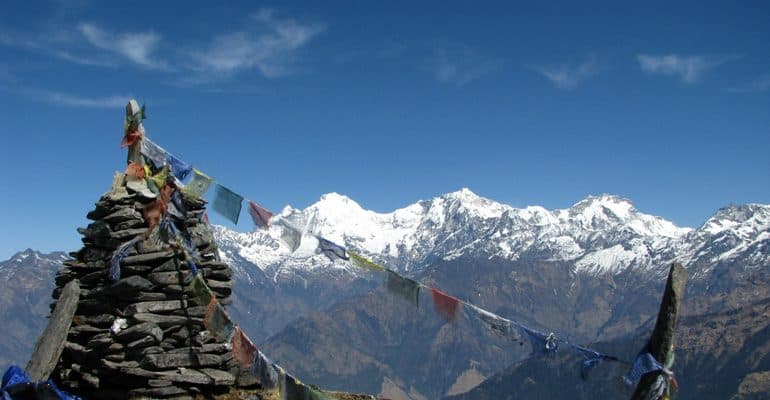
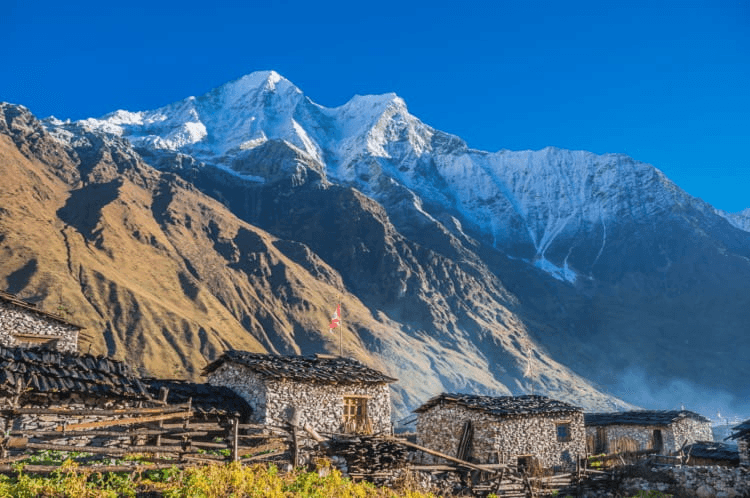
As the route moves northward, trekkers enter the Tsum Valley at Lokpa, where the landscape and culture begin to shift noticeably. Mani walls, chortens, prayer flags, and stone-built houses reflect the strong Tibetan influence that defines the valley.
Cultural and Scenic Highlights of the Trek
The Tsum Valley Trek is renowned for its deep spiritual atmosphere and rich cultural heritage. The valley is home to several ancient monasteries, including Mu Gompa and Rachen Gompa, which are important centers of Buddhist learning and meditation. Many villages in the valley practice polyandry, a rare tradition that still exists in this region.
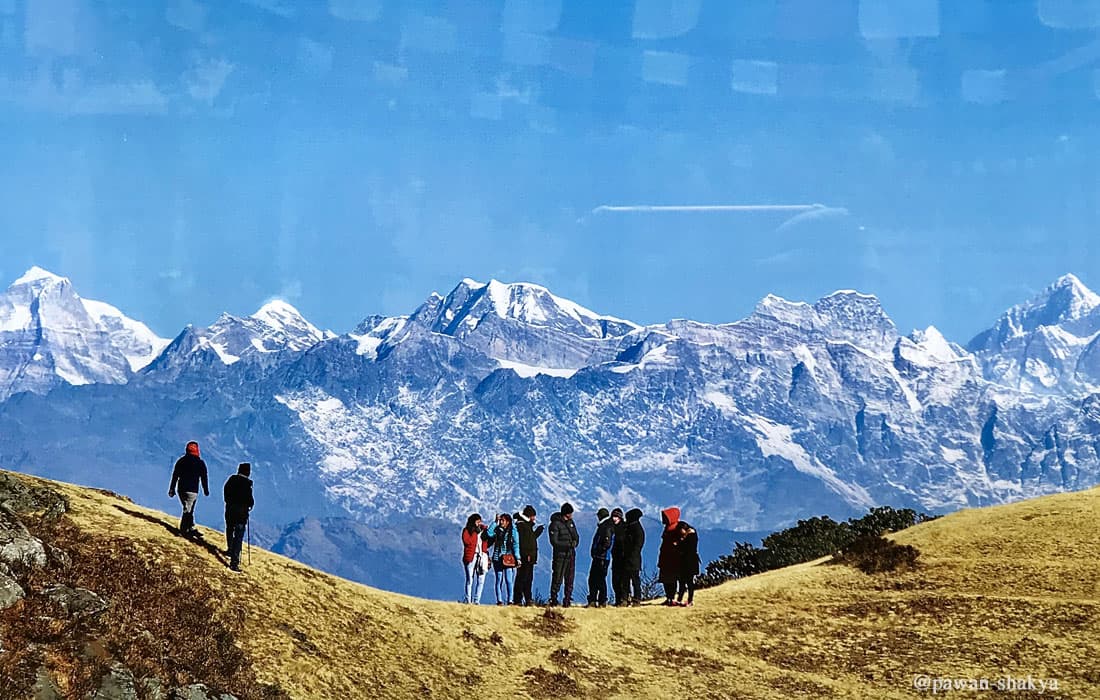
The trek offers spectacular views of Ganesh Himal, Sringi Himal, Himalchuli, and Boudha Himal. Unlike busier trekking routes, Tsum Valley provides a peaceful trekking experience with fewer crowds, making it ideal for trekkers who value tranquility and cultural discovery.
Food on the Tsum Valley Trek
Food on the Tsum Valley Trek is mostly provided through teahouses and local lodges. Meals are simple, nutritious, and influenced by both Nepali and Tibetan cuisine. Common meals include dal bhat, noodles, rice, soups, momos, and Tibetan bread.
In higher villages, food options may be limited due to remoteness, so flexibility is important. Trekkers are encouraged to carry energy snacks and stay well hydrated throughout the journey.
Alcohol is discouraged, particularly at higher elevations, as it can affect acclimatization and overall health.
Accommodation on the Tsum Valley Trek
Accommodation along the Tsum Valley Trek is primarily in local teahouses and lodges run by families in the valley. Rooms are basic but comfortable, usually with twin beds, blankets, and shared bathrooms.
Staying in local lodges offers a unique opportunity to interact with residents and experience traditional hospitality. Facilities become simpler as altitude increases, but the warmth of local culture makes the stay memorable.
Trek Duration and Distance
The Tsum Valley Trek typically takes 12 to 16 days, depending on the itinerary, acclimatization days, and side excursions to monasteries and viewpoints.
The total trekking distance is approximately 160 to 180 kilometers, depending on the starting point and route variations.
Highest Altitude on the Tsum Valley Trek
The highest point commonly reached on the Tsum Valley Trek is Mu Gompa, located at around 3,700 meters above sea level. While the trek does not involve crossing high passes, gradual altitude gain still requires proper acclimatization.
Best Season to Visit Tsum Valley Trek
The best seasons for the Tsum Valley Trek are spring (March to May) and autumn (September to November). These periods offer clear skies, pleasant temperatures, and stable trekking conditions.
Winter trekking is possible but can be cold, especially in higher villages, while the monsoon season brings heavy rainfall and slippery trails.
How Challenging Is the Tsum Valley Trek?
The Tsum Valley Trek is considered moderate in difficulty. The trail involves steady ascents, long walking days, and occasional steep sections, but no technical climbing or pass crossings.
This trek is suitable for trekkers with reasonable fitness levels and some prior trekking experience. Its emphasis is more on cultural exploration and endurance than extreme physical challenge.
Permits and Regulations
The Tsum Valley lies within a restricted area, requiring special permits in addition to the Manaslu Conservation Area Permit. Trekkers must travel with a licensed guide, and solo trekking is not allowed.
Proper permits must be arranged in advance through a registered trekking agency.
Average Cost of the Tsum Valley Trek
The average cost of the Tsum Valley Trek ranges from approximately 900 to 1,400 USD per person, depending on group size, duration, accommodation level, and services included.
The cost typically covers transportation, permits, guide services, accommodation, and meals during the trek. International flights, insurance, and personal expenses are not included.
Final Thoughts on the Tsum Valley Trek
The Tsum Valley Trek offers a rare combination of spiritual depth, cultural preservation, and Himalayan beauty. It is a peaceful and enriching journey ideal for trekkers who want to step away from crowded trails and experience an authentic Himalayan way of life. With its monasteries, welcoming communities, and breathtaking landscapes, Tsum Valley remains one of Nepal’s most meaningful trekking experiences.