
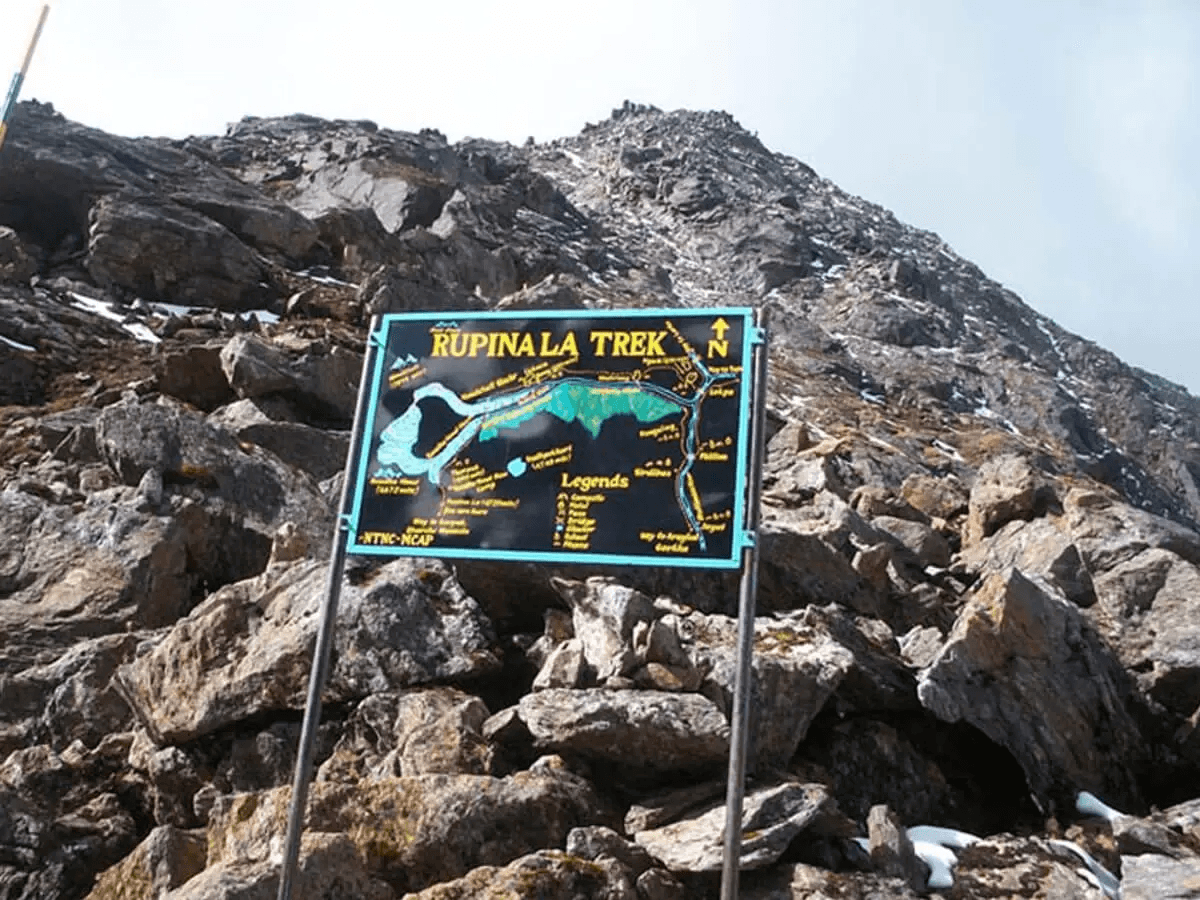
Rupinala Pass Trek
The Rupinala Pass Trek is a challenging high-altitude Himalayan adventure linking Manaslu and Annapurna regions, known for its remote trails, dramatic terrain, and raw wilderness experience.
About the Trek
Rupinala Pass Trek Overview
The Rupinala Pass Trek is one of Nepal’s most demanding and adventurous high-altitude treks, connecting the Manaslu region with the Annapurna region through the remote Rupinala Pass. This trek is designed for experienced trekkers who seek a true wilderness expedition rather than a comfortable teahouse trek. The route is rarely traveled, offering solitude, dramatic landscapes, and an intense sense of exploration in one of the most isolated parts of the Nepal Himalayas.
Journey Begins: Gateway to Rupinala Pass Trek
The trek begins with a drive from Kathmandu to Barpak or Gorkha, passing through scenic hills, river valleys, and traditional villages. Barpak, a historic Gurung settlement, serves as a common starting point and provides an opportunity to experience local culture before entering the high mountains.
From Barpak, the trail gradually ascends through forests and pastures toward remote alpine terrain. The path follows old shepherd routes and unmarked trails, making navigation challenging and emphasizing the need for experienced guides and proper logistical planning.
Trail Experience and Trek Highlights
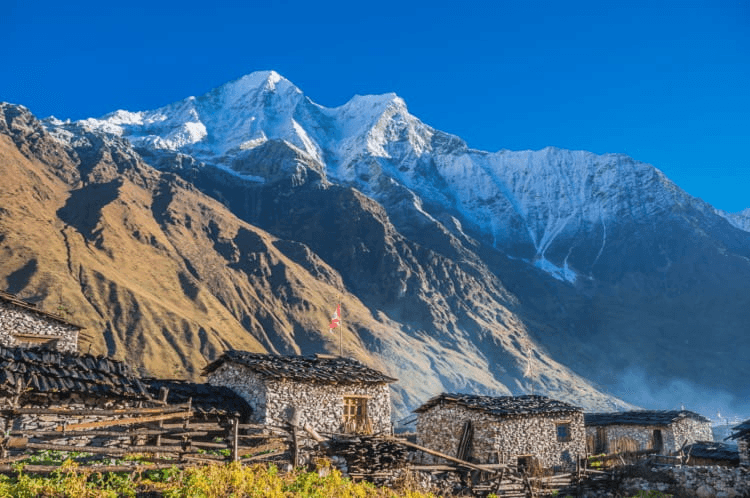
The Rupinala Pass Trek takes trekkers through dense forests, steep gorges, glacial valleys, and high alpine basins. As the trek progresses, the terrain becomes increasingly rugged, with frequent river crossings, landslide-prone sections, and steep ascents. The landscape is raw and dramatic, with towering cliffs, hanging glaciers, and isolated campsites.
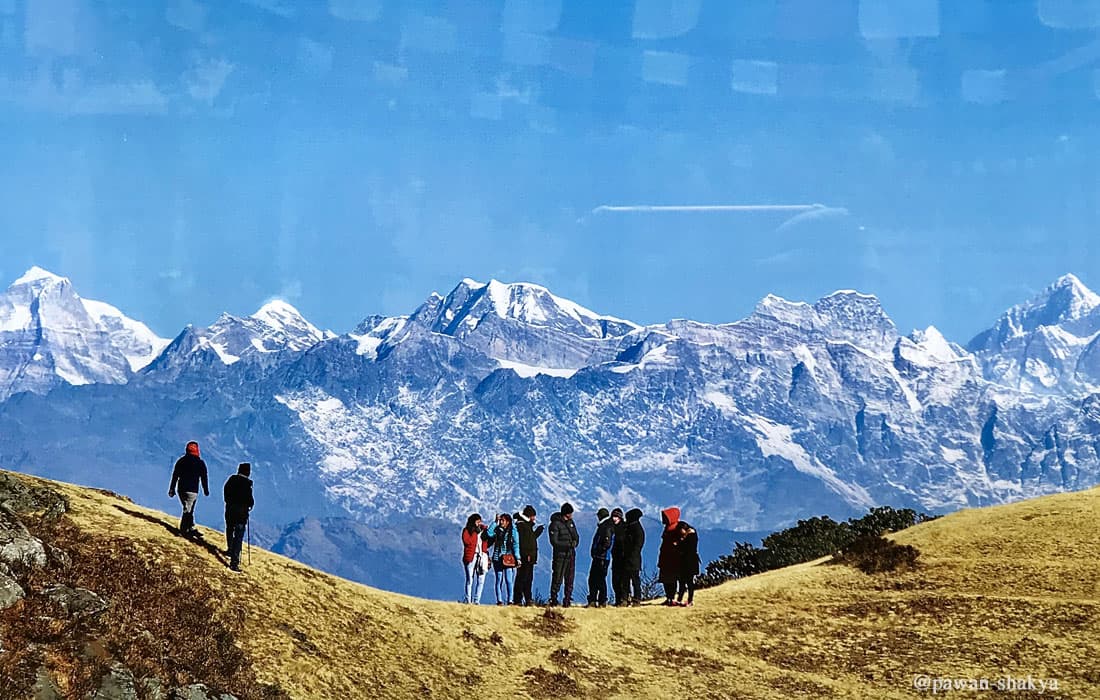
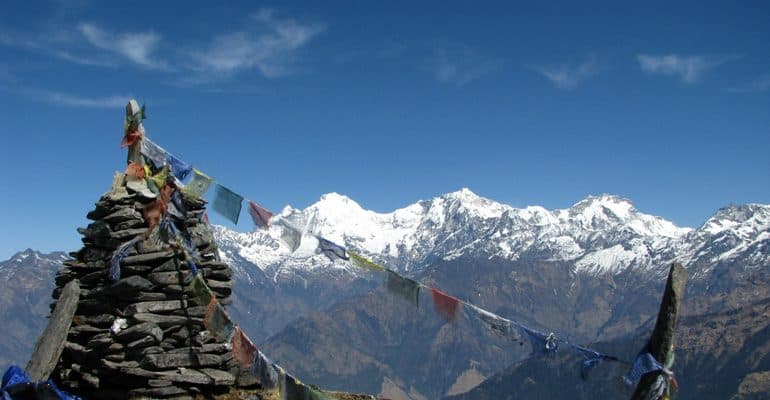
One of the defining features of this trek is its continuous sense of remoteness. Unlike popular trekking routes, there are no permanent settlements or teahouses along much of the trail. The trek offers impressive views of Manaslu, Himalchuli, Ganesh Himal, Annapurna II, and Lamjung Himal, especially from higher elevations.
The crossing of Rupinala Pass, situated at approximately 4,720 meters, is the most challenging and rewarding part of the trek. The ascent involves steep snow and ice sections, and the descent is equally demanding, often requiring careful footwork and technical assistance depending on conditions.
Food on the Rupinala Pass Trek
Food on the Rupinala Pass Trek is entirely camp-based due to the absence of teahouses in the remote sections. All meals are prepared by the trekking crew using carried supplies. Meals typically include rice, lentils, vegetables, soups, pasta, noodles, and high-energy foods to sustain trekkers through long and physically demanding days.
Trekkers are advised to carry personal snacks such as energy bars, chocolates, nuts, and electrolyte supplements. Proper hydration and nutrition are essential due to the trek’s intensity and altitude.
Alcohol and smoking are strongly discouraged, as they increase the risk of dehydration, fatigue, and altitude-related issues.
Accommodation on the Rupinala Pass Trek
Accommodation on the Rupinala Pass Trek is entirely camping-based. Trekkers stay in tents set up at designated or suitable camping spots along the route. Sleeping tents, dining tents, and toilet tents are arranged by the support team to ensure safety and basic comfort in the wilderness.
Camping adds to the expedition-style nature of the trek but also increases logistical complexity and cost. The lack of permanent shelters emphasizes the importance of experienced guides, porters, and proper equipment.
Trek Duration and Distance
The Rupinala Pass Trek typically takes 10 to 14 days, depending on the itinerary, acclimatization days, and weather conditions. Some extended itineraries may take up to 16 days for better acclimatization and safety.
The total trekking distance is approximately 90 to 110 kilometers, depending on the route and exit point into the Annapurna region.
Highest Altitude on the Rupinala Pass Trek
The highest point of the trek is Rupinala Pass, which stands at approximately 4,720 meters above sea level. The combination of high altitude, steep terrain, and unpredictable weather makes this one of the more technically and physically demanding passes in Nepal.
Best Season to Visit Rupinala Pass Trek
The best time to undertake the Rupinala Pass Trek is during spring (April to May) and autumn (September to October). These seasons offer relatively stable weather and safer pass-crossing conditions.
Winter trekking is not recommended due to heavy snowfall and extreme cold, while the monsoon season poses serious risks from landslides, swollen rivers, and poor visibility.
How Challenging Is the Rupinala Pass Trek?
The Rupinala Pass Trek is classified as challenging to extreme. Trekkers should be physically fit, mentally prepared, and experienced in high-altitude trekking. Daily walking hours often exceed seven hours, and the route involves steep climbs, unstable terrain, snow and ice sections, and long days without access to settlements.
This trek is not suitable for beginners. Prior experience in remote or high-altitude trekking and comfort with camping-based expeditions are essential.
Average Cost of the Rupinala Pass Trek
The average cost of the Rupinala Pass Trek ranges from approximately 1,200 to 1,800 USD per person, depending on group size, duration, and level of support. Costs may increase for extended itineraries, additional safety equipment, or smaller group sizes.
The cost generally includes transportation, camping equipment, meals during the trek, guide and porter services, permits, and logistical support. International flights, insurance, and personal expenses are not included.
Final Thoughts on the Rupinala Pass Trek
The Rupinala Pass Trek is a true expedition-style adventure suited for trekkers seeking isolation, challenge, and raw Himalayan wilderness. It is a demanding journey that rewards perseverance with dramatic scenery, deep solitude, and a profound sense of accomplishment. For experienced trekkers looking to push their limits beyond commercial trekking routes, Rupinala Pass offers one of Nepal’s most intense and rewarding trekking experiences.